
Cost-per-action advertising provides a low-risk, high-return model for brands and affiliates alike. This guide explores exactly how does CPA marketing work, breaking down the core mechanics, actionable strategies, and real-world examples. You will learn the exact steps to launch profitable campaigns, avoid common pitfalls, and scale your performance marketing efforts efficiently.
Welcome to the definitive guide on cost-per-action advertising. If you want to understand how does CPA marketing work, you need to look at the relationship between advertisers and affiliates. How does CPA marketing work to drive revenue? It aligns payment directly with measurable outcomes like sales or sign-ups.
Understanding the Basics: How Does CPA Marketing Work?
To grasp how does CPA marketing work, you must first understand the fundamental shift it brings to digital advertising. Traditional advertising models charge brands for impressions or clicks regardless of whether a user actually buys a product. How does CPA marketing work differently? It flips this dynamic entirely by ensuring brands only pay when a specific, predefined action takes place. This action could be a newsletter sign-up, a software download, a form submission, or a completed purchase.
When someone asks how does CPA marketing work, the simplest answer lies in the three-way partnership that drives the ecosystem. This ecosystem consists of the advertiser, the affiliate, and the network.
The Advertiser
The advertiser is the business or brand looking to generate sales, leads, or other conversions. They create the offer and determine exactly what action they want the customer to take. Advertisers love this model because it mitigates risk. They do not waste budget on empty clicks or fake traffic. They only distribute commissions when their exact business goal is met.
The Affiliate
The affiliate acts as the publisher or marketer who promotes the advertiser’s offer. Affiliates use various channels like blogs, social media, email lists, and paid search campaigns to drive targeted traffic to the advertiser. When learning how does CPA marketing work, you quickly realize that affiliates bear most of the upfront marketing risk. They must invest their own time and resources to generate the traffic. However, successful affiliates earn substantial payouts because cost-per-action commissions are typically much higher than standard cost-per-click rates.
The CPA Network
The network serves as the intermediary platform connecting the advertiser with the affiliate. Networks handle the tracking, reporting, and payments. They ensure that when a customer completes an action, the affiliate receives proper credit. Networks also vet both brands and publishers to prevent fraud and maintain high-quality standards.
Different Models: How Does CPA Marketing Work Across Industries?
To fully answer how does CPA marketing work, we must examine the different action models used across various industries. Not all businesses need the same type of customer interaction.
Pay Per Sale (CPS)
Pay per sale is the most common model in the ecommerce sector. In this setup, the advertiser pays a commission only when a customer buys a product. Ecommerce brands use this extensively because it guarantees a positive return on ad spend. The affiliate promotes a product link, the user clicks and buys, and the affiliate earns a percentage of the sale.
Pay Per Lead (CPL)
Pay per lead dominates the financial, insurance, and educational sectors. Instead of a direct purchase, the brand needs customer information to feed its sales team. The affiliate earns a flat fee when a user fills out a quote request, signs up for a free trial, or submits an application. How does CPA marketing work for leads? It relies heavily on high-intent traffic and highly optimized landing pages.
Pay Per Install (CPI)
Mobile app developers rely on pay per install campaigns. The developer pays the affiliate every time a user downloads and opens their mobile application. This model drives rapid user acquisition for new games, productivity apps, and software tools.
Actionable Strategies for Success
Knowing how does CPA marketing work is only the first step. You must implement proven strategies to actually generate revenue. Success requires meticulous planning, deep audience research, and relentless optimization.
Finding the Right Offer
Your campaign will fail if you choose the wrong offer. You must select products or services that genuinely solve a problem for your specific audience. Look for offers with high conversion rates, reliable tracking, and competitive payouts. Research the landing page provided by the advertiser. If the landing page looks outdated or confusing, do not promote the offer. You cannot force users to convert on a poorly designed page.
Mastering Traffic Generation
Traffic acts as the lifeblood of your campaigns. You can use search engine optimization to drive organic, high-intent visitors to your content. If you have capital to invest, pay-per-click advertising on Google or Bing provides immediate, targeted traffic. Social media platforms also offer robust targeting options to reach specific demographics. You must match the traffic source to the specific offer. For instance, B2B software leads convert beautifully through LinkedIn ads, while consumer ecommerce products thrive on visually engaging platforms like Instagram.
Building High-Converting Funnels
Do not send traffic directly to an advertiser’s generic homepage. Instead, build a dedicated bridge page or presell page. This page warms up the visitor, explains the benefits of the offer, and builds trust before sending them to the final destination. A strong funnel drastically improves your overall conversion rates.
Real-World Examples
To illustrate how does CPA marketing work in practice, let us look at some practical scenarios.
Imagine a personal finance blogger who writes about budgeting. They join a financial network and find an offer from a credit card company paying $50 for every approved application. The blogger writes an in-depth review comparing the best credit cards for beginners. They insert their unique tracking link into the article. Readers trust the blogger’s advice, click the link, and apply for the card. The blogger earns $50 per approval without ever handling a physical product.
Consider a mobile gaming company looking to increase its player base. They set up an offer paying $2 per app install. A gaming influencer on YouTube showcases the game in a video and puts the download link in the description. Thousands of viewers download the game. The influencer earns a massive commission, and the gaming company acquires a massive wave of new players. These examples highlight exactly how does CPA marketing work to create mutually beneficial outcomes.
Performance Marketing Models

To further clarify how does CPA marketing work, compare it against other standard advertising pricing models.
|
Metric |
CPA (Cost Per Action) |
CPC (Cost Per Click) |
CPM (Cost Per Mille) |
|---|---|---|---|
|
Payment Trigger |
Specific action (Sale, Lead) |
A click on the ad |
1,000 ad impressions |
|
Advertiser Risk |
Very Low |
Medium |
High |
|
Affiliate Risk |
High |
Medium |
Low |
|
Typical Payout |
High ($5 to $500+) |
Low ($0.10 to $5.00) |
Very Low ($1 to $10) |
|
Best Used For |
Direct sales and qualified leads |
Driving initial website traffic |
Broad brand awareness |
Common Mistakes to Avoid
Many newcomers fail because they do not fully understand how does CPA marketing work before launching campaigns. Avoid these frequent missteps to protect your budget and your reputation.
First, do not ignore compliance rules. Advertisers have strict guidelines about how you can promote their products. If they forbid email marketing or branded search terms, you must obey those rules. If you violate their terms, the network will ban your account and withhold your earnings.
Second, avoid relying on a single traffic source. Algorithms change constantly. If you depend entirely on one social media platform and they update their ad policies, your business will collapse overnight. Diversify your traffic streams to ensure long-term stability.
Third, never promote shady or low-quality offers. If a product seems like a scam, do not endorse it. Promoting bad products destroys your credibility with your audience. Once you lose your audience’s trust, you lose your ability to generate conversions.
Pro Tips and Expert Insights
Industry veterans know exactly how does CPA marketing work to maximize margins. Apply these expert insights to elevate your campaigns.
Track Everything: You cannot optimize what you do not measure. Use advanced tracking software to monitor every single click. You need to know which ad creative, which keyword, and which device generates the best results. Server-side tracking provides the most accurate data and helps you bypass restrictive browser policies.
A/B Test Relentlessly: Never settle for your first draft. Test different headlines, call-to-action buttons, and images on your landing pages. Small improvements in your conversion rate lead to massive increases in overall profitability.
Build Direct Relationships: Once you prove you can drive quality volume, reach out directly to the advertiser or your network manager. You can negotiate higher payouts or exclusive offers. Strong relationships unlock the true earning potential of performance advertising. Consider reviewing resources from BigCommerce or Search Engine Journal to study how top brands handle affiliate relationships.
Tracking, Analytics, and Scaling
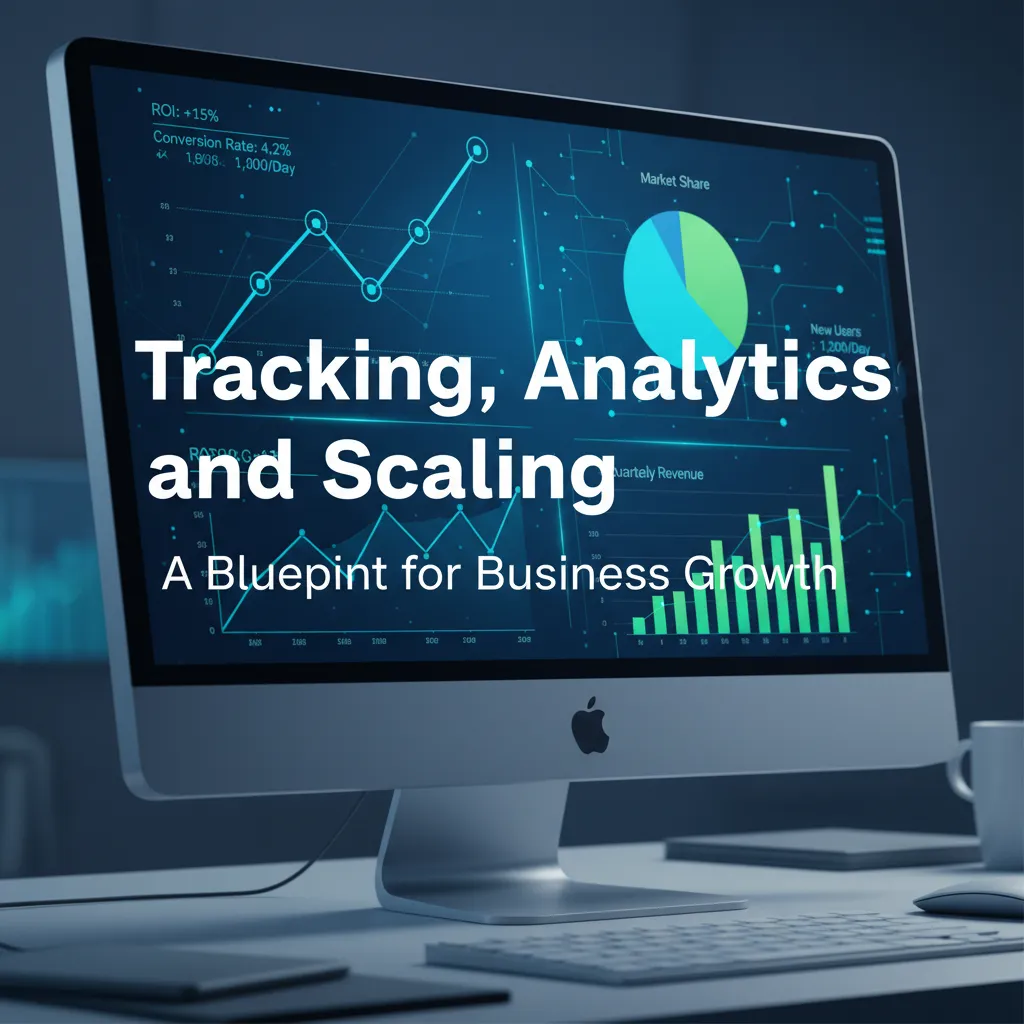
How does CPA marketing work when it comes to scaling? Scaling requires robust data analytics. You must identify your winning campaigns and allocate more budget to them while ruthlessly pausing losing campaigns.
Implement multi-touch attribution to understand the complete customer journey. Sometimes a customer clicks an ad on Monday but does not convert until Friday after reading an email. Proper attribution ensures you know exactly which channels contribute to your success.
Automate your bidding strategies where possible. Many modern traffic platforms use machine learning to optimize delivery based on your target acquisition cost. Feed these algorithms accurate conversion data, and they will help you find more customers at profitable margins. You can explore advanced tracking methodologies discussed by Taboola to enhance your data accuracy.
When you establish a highly profitable funnel, start expanding your reach. Translate your campaigns into different languages to target international markets. Test new ad formats like video or native advertising. Scaling simply means doing more of what already works while maintaining your target profitability. By carefully monitoring your Conversion Rate Optimization, you guarantee that your increased traffic actually results in increased revenue. Do not forget to leverage Content Marketing Strategies to build a sustainable organic funnel alongside your paid efforts.
Conclusion
Understanding how does CPA marketing work empowers you to launch highly profitable, performance-driven campaigns. By aligning advertiser goals with affiliate incentives, this model eliminates wasted ad spend and guarantees measurable results. Focus on selecting high-quality offers, driving targeted traffic, and relentlessly optimizing your funnels. Apply these strategies and expert tips to master the cost-per-action landscape and achieve sustainable growth. Start testing your first campaign today and watch your conversion rates soar.
FAQs
Q: How does CPA marketing work for beginners?
A: Beginners start by joining a reliable affiliate network, selecting an offer that matches their niche, and driving targeted traffic to that offer using blogs, social media, or paid ads. You earn a commission each time a user completes the required action.
Q: What is the main difference between CPA and affiliate marketing?
A: Cost-per-action is a specific sub-category of affiliate marketing. While standard affiliate marketing often focuses strictly on completed sales, cost-per-action pays out for a wider variety of actions, including lead generation, app installs, and email submissions.
Q: How do networks track my conversions?
A: Networks use unique tracking links containing your specific affiliate ID. When a user clicks your link, a cookie is stored on their browser. If they complete the action, the network reads the cookie and credits the commission to your account.
Q: Do I need a website to start?
A: While having a dedicated website helps build long-term authority and trust, you do not strictly need one. Many marketers successfully drive traffic using direct social media campaigns, YouTube channels, or standalone landing pages built with specialized software.
Q: How much money can I make?
A: Earning potential varies wildly based on your traffic volume, niche, and optimization skills. Some marketers make a few hundred dollars a month as a side hustle, while top-tier professionals generate multi-million dollar revenues through massive paid media campaigns.
Q: What are the best traffic sources for these campaigns?
A: The best traffic source depends entirely on the specific offer. Search intent traffic from Google Ads works brilliantly for financial leads, while visual platforms like TikTok and Instagram excel at driving e-commerce sales and mobile app installs.
Q: How do I avoid getting banned from networks?
A: Always read and follow the advertiser’s strict promotional guidelines. Never use fraudulent traffic sources, avoid spamming, and maintain transparency with your affiliate manager regarding how you generate your clicks.
Q: What is a chargeback?
A: A chargeback occurs when a commission is deducted from your account because the underlying sale was canceled, refunded, or determined to be fraudulent. High-quality traffic minimizes your chargeback rates.
Q: Can I negotiate my payout rates?
A: Yes, absolutely. Once you consistently deliver high-quality, high-volume traffic, you can contact your network manager to request a payout bump. Advertisers happily pay more to affiliates who bring them excellent customers.
Q: How long does it take to see results?
A: If you use paid advertising, you can see results and generate conversions within a few hours. If you rely on organic methods like search engine optimization, it may take several months to build enough traffic to see consistent daily conversions.