
This article explores exactly what CPA is in marketing and breaks down how the cost per action model works. You will learn the core benefits of what is CPA in marketing, see how it compares to other advertising models, discover common pitfalls, and gain actionable tips to optimize your campaigns for higher conversions.
Have you ever wondered what is CPA in marketing and how it drives predictable revenue? Understanding what is CPA in marketing transforms your advertising budget from a guessing game into a measurable growth engine.
Understanding the Core Concept: What Is CPA in Marketing?
When you dive into performance advertising, the question of what is CPA in marketing is often the first one you need to answer. CPA stands for Cost Per Action, but it is also frequently referred to as Cost Per Acquisition. This model dictates that an advertiser pays only when a user completes a specific, predetermined action.
Instead of paying just to have your ad seen or clicked, you pay for real results. These actions can vary widely depending on your business goals. They might include a completed sale, a newsletter signup, an app download, or a submitted lead form. By focusing on the exact question of what is CPA in marketing, you quickly realize it is the ultimate measure of your advertising efficiency.
To calculate what is CPA in marketing, you simply divide your total campaign cost by the number of successful actions. For instance, if you spend $1,000 on a campaign and secure 50 new leads, your CPA is $20.
Why the Cost Per Action Model is Unique
Unlike traditional advertising, the CPA model mitigates financial risk. If you are running campaigns on social platforms or search engines, tying your budget directly to a desired outcome ensures your marketing dollars work harder. This makes CPA highly attractive for businesses of all sizes. You are no longer crossing your fingers, hoping that clicks turn into sales. You are tracking the exact moment a prospect converts.
Understanding what a CPA in marketing is allows you to set realistic budgets. If you know a new customer brings in $100 of lifetime value, a CPA of $25 is highly profitable. If your CPA creeps up to $90, you know you have a problem that needs immediate fixing. Ultimately, knowing what a CPA in marketing is empowers your decision-making.
How Does CPA Work in Practice?
To fully grasp what a CPA in marketing is, we need to look at the mechanics behind it. A typical CPA campaign involves three main players.
First, there is the advertiser. This is the brand or business that wants to drive a specific action. They determine what is CPA in marketing and what action holds value, such as an e-commerce purchase or a software trial signup.
Second, there is the publisher or affiliate. This person or entity promotes the advertiser’s offer to their audience. They leverage their own traffic sources, such as blogs, social media channels, or email lists, to attract potential customers.
Third, there is the CPA network. The network acts as the middleman. They provide the tracking links, handle analytics, and ensure that the publisher gets paid when the action is completed. They maintain transparency and prevent fraud, ensuring that the question of what is CPA in marketing remains rooted in honest, trackable data.
When a user clicks the publisher’s link and completes the desired action, the network’s tracking pixel registers the conversion. The advertiser pays the agreed-upon fee, the network takes a small cut, and the publisher receives their commission. This ecosystem illustrates why understanding what is CPA in marketing is crucial for both advertisers and publishers.
Why CPA Matters for Your Business
Now that we know what is CPA in marketing, we must explore why it is so crucial for your overall strategy.
Financial Predictability and Lower Risk
The most significant advantage of what is CPA in marketing is the low risk involved. Because you only pay when a conversion happens, your return on investment (ROI) is inherently protected. This predictable model allows you to scale your digital marketing strategy with confidence. If a campaign is generating sales at a profitable CPA, you can safely increase the budget, knowing the returns will follow.
Improved Traffic Quality
When you pay for impressions, publishers have no incentive to send you high-quality traffic. They just want eyeballs. However, under the CPA model, publishers only make money if the traffic actually converts. This forces them to send highly targeted, relevant users to your landing pages. This alignment of incentives results in better lead quality and higher conversion rates, reinforcing the advantages of what is CPA in marketing.
Greater Reach Without Upfront Costs
CPA marketing allows you to tap into entirely new audiences without spending a fortune upfront on creative testing and audience targeting. Affiliates take on the risk of driving the traffic. Your only job is to ensure your landing page is optimized to convert the visitors they send. For further reading on how to optimize your landing pages, you can explore resources from Google Analytics to track user behavior effectively, a key step in mastering what is CPA in marketing.
CPA vs. CPC vs. CPM: Understanding the Differences
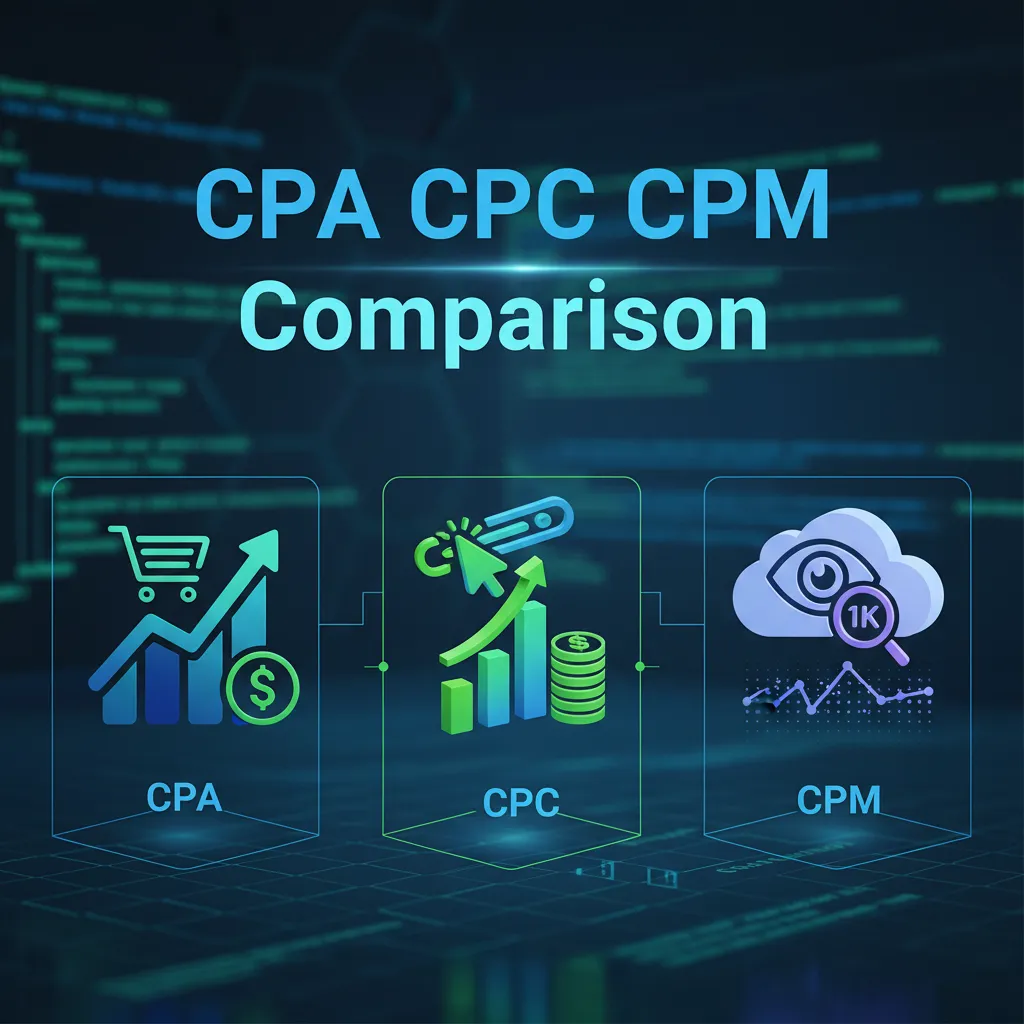
To truly appreciate what a CPA in marketing is, it helps to compare it to other common digital advertising models.
|
Metric |
Stands For |
What You Pay For |
Best Used For |
Risk Level |
|---|---|---|---|---|
|
CPA |
Cost Per Action |
A specific completed action (sale, lead) |
Direct response, sales, lead generation |
Low |
|
CPC |
Cost Per Click |
Each click on your advertisement |
Driving website traffic, testing offers |
Medium |
|
CPM |
Cost Per Mille |
Every 1,000 views or impressions |
Brand awareness, visibility |
High |
While CPM is great for getting your name out there, and CPC is useful for testing new landing pages, what is CPA in marketing stands as the undisputed king of performance models. It ensures your budget is tied directly to your bottom line.
Common Mistakes to Avoid in CPA Campaigns
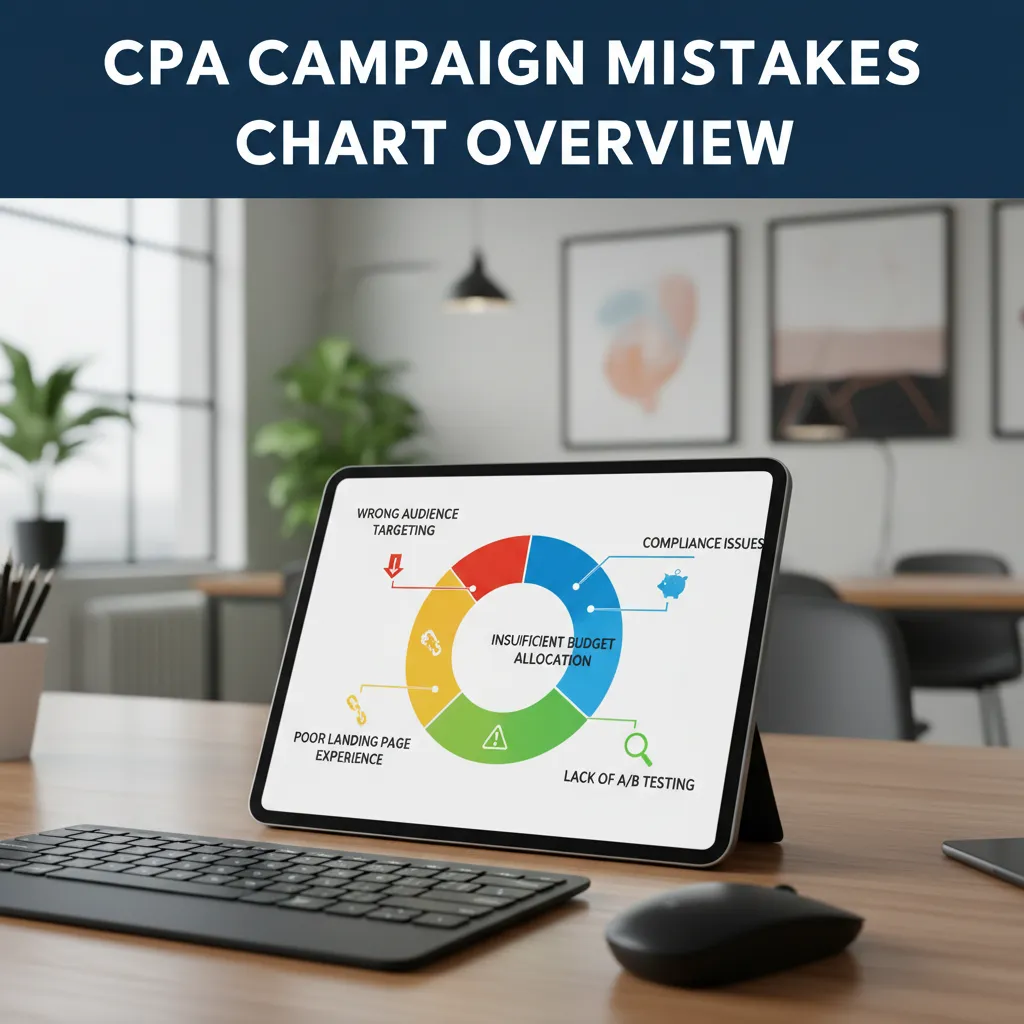
Even when you understand what is CPA in marketing, executing a flawless campaign requires careful attention. Here are the most common pitfalls to avoid if you want to get the most from what is CPA in marketing.
Choosing Highly Competitive Niches Too Soon
If you are new to the CPA world, diving straight into highly competitive niches like finance or insurance is a recipe for frustration. These sectors are dominated by massive brands with deep pockets. Start with smaller, more targeted niches where you can establish a foothold and learn the ropes of what is CPA in marketing.
Neglecting Your Landing Page
You can have the best traffic in the world, but if your landing page is confusing or slow, users will bounce. Ensure your page loads quickly, features a clear call to action, and directly addresses the user’s needs. Improving your conversion rate optimization is critical to keeping the CPA in marketing costs low and your profits high.
Ignoring Data and Analytics
Relying on gut feeling instead of hard data is a massive mistake. You must track everything. Monitor which traffic sources are delivering the best leads, which devices users are on, and what times of day yield the highest conversions. Use this data to pause losing campaigns and scale winning ones. Tools recommended by HubSpot can help you keep your data organized and actionable—a must for anyone invested in what is CPA in marketing.
Failing to Test Creatives
Ad fatigue is real. If you run the same banner or ad copy for months, your audience will stop noticing it. Continually test new headlines, images, and angles. A/B testing is mandatory if you want to keep your costs down over the long term and fully capture the potential of what is CPA in marketing.
Pro Tips for Scaling Your CPA Strategy
Mastering what a CPA in marketing means, learning how to scale your successes. Use these expert insights to take your campaigns further and fully understand what is CPA in marketing.
Leverage High-Quality CPA Networks
Partner with reputable CPA networks that offer strong anti-fraud protection and reliable tracking. Good networks also provide dedicated account managers who can point you toward the best-performing offers in your niche. This partnership strategy makes a difference when navigating what a CPA in marketing.
Diversify Your Traffic Sources
Never rely on a single source of traffic. If a platform changes its algorithm or bans your account, your revenue could drop to zero overnight. Blend social media advertising, native ads, search traffic, and email marketing to build a resilient strategy and maximize what is CPA in marketing.
Focus on User Intent
Align your offers with exactly what the user is searching for. If someone is reading an article about dog training, a CPA offer for a free dog food sample will perform much better than a generic pet insurance ad. Relevance drives conversions. To learn more about matching search intent, check out guides from Search Engine Journal. This approach can truly amplify results when you consider what a CPA in marketing can do.
Optimize for Mobile
The vast majority of digital traffic now comes from mobile devices. If your landing pages and forms are not optimized for a seamless mobile experience, your CPA will skyrocket. Keep forms short and buttons large and easy to tap. This is central advice for lowering costs with what is CPA in marketing.
Expanding Your CPA Horizons
As you dive deeper into what is CPA in marketing, you will discover that it is a versatile tool. It fits perfectly into a broader marketing funnel. You can use low-friction actions, like an email signup, at the top of the funnel to build an audience. Then, you can retarget those users with higher-value CPA offers, like a core product purchase, later on.
By integrating CPA with your broader affiliate marketing strategies, you create a diverse ecosystem of revenue streams. Affiliates become your extended sales force, advocating for your products around the clock. Mastering what a CPA in marketing helps you leverage this full ecosystem for greater results.
Conclusion
Understanding what is CPA in marketing is the key to unlocking predictable, scalable business growth. By shifting your focus from vanity metrics to concrete actions, you protect your advertising budget and ensure a strong return on investment. Implement the strategies discussed today, avoid the common pitfalls, and start optimizing your campaigns. Your bottom line will thank you—especially as you master what a CPA in marketing.
FAQs
What is CPA in marketing exactly?
It stands for Cost Per Action or Cost Per Acquisition. What is CPA in marketing? It is a pricing model where advertisers pay a fee only when a user completes a specific action, such as a purchase, signup, or app download.
How is CPA calculated?
You calculate it by dividing the total cost of your advertising campaign by the total number of specific actions completed. For example, $500 spent for 10 sales equals a $50 cost per action. Knowing what a CPA in marketing is means you can track campaign profitability effectively.
Why is the CPA model better than CPC?
CPC (Cost Per Click) charges you every time someone clicks your ad, regardless of whether they buy anything. The cost per action model only charges you when a real, valuable result occurs, making it much lower risk. This is a core value of what is CPA in marketing.
What is a good CPA?
A good cost per action depends entirely on your product’s profit margin and customer lifetime value. If your product earns you $100, a cost of $30 is excellent. If your product earns $20, a $30 cost means you are losing money. Calculating these figures is a must when exploring what a CPA in marketing.
What kind of actions can I track?
You can track almost anything valuable to your business. Common actions include e-commerce purchases, email newsletter signups, quote requests, software downloads, and free trial registrations. Defining these is essential for success with what is CPA in marketing.
How do CPA networks prevent fraud?
Reputable networks use advanced tracking pixels, IP monitoring, and behavioral analysis to detect bots and fake leads. They ensure you only pay for legitimate, human actions. This protection adds to the appeal of what is CPA in marketing.
Can small businesses use this model?
Absolutely. It is actually ideal for small businesses because it limits financial risk. You do not need a massive budget to test brand awareness; you only pay when you get a tangible result. This flexibility is central to what is CPA in marketing.
What is the role of an affiliate in this model?
The affiliate (or publisher) acts as the marketer. They use their own websites, social media, or email lists to promote your offer and drive traffic to your landing page, earning a commission for each successful action. Affiliates are a key part of what is CPA in marketing.
How can I lower my costs?
You can lower your costs by improving your landing page conversion rates, targeting a more specific audience, testing different ad creatives, and ensuring your forms are short and mobile-friendly. Every optimization makes a difference in what is CPA in marketing.
Is CPA marketing the same as affiliate marketing?
They are closely related. Cost per action is a specific payment model used heavily within the broader affiliate marketing industry. Affiliate marketing encompasses the entire ecosystem of publishers promoting advertiser products, of which what is CPA in marketing is a major approach.